

Root Canal Therapy
A root canal is a restorative dental procedure that relieves pain and gives an infected or abscessed tooth a second chance. Modern root canals are comfortable and efficient and really no different from any other dental procedure.
Root Canal Therapy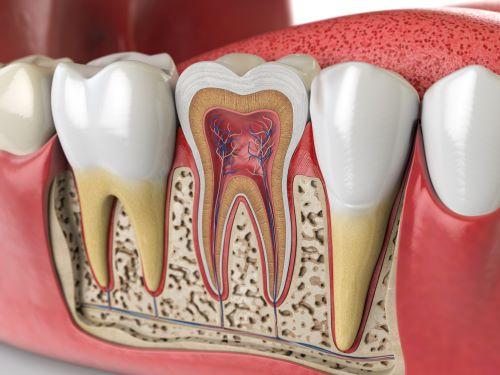
Deep inside your tooth, underneath enamel and dentin, is an area called the pulp chamber. This part of the tooth contains tissue and nerves that keep the tooth healthy, but pulp can become infected if bacteria enter the area through a fracture, deep decay, or trauma.
The most obvious sign of an infected tooth is a severe toothache, and the only solution to relieve the pain is to remove the infected pulp with root canal treatment.
What Happens During Root Canal Treatment?
Your comfort is our priority, so the first step is to administer a local anesthetic to numb the tooth to ensure that you feel no pain during the procedure. Once the anesthetic takes hold, and we are sure the tooth is numb, our dentist creates an opening in the tooth to access the pulp area. We then carefully remove every trace of infected pulp, disinfect the area and fill the area to prevent reinfection.
We allow the tooth to heal for about two weeks, then have you return to our office so we can take an x-ray and ensure the infection is gone. The final step is to place a tooth filling or a dental crown on the tooth to strengthen and protect it so you can chew comfortably again.
 Do I Need a Root Canal?
If you have been experiencing any of these signs or symptoms, call our office immediately. You may have a tooth infection that requires immediate treatment.
- Severe pain in one or more teeth
- Pain when touching the tooth
- Pain and sensitivity to hot or cold temperatures
- Darkening of one or more teeth
- A raised bump on the gums
- A bad taste in your mouth
- Swelling and tenderness in the gums that may radiate to the cheek
Call our office to make an appointment to see if you need root canal therapy, so we can get you out of pain and save the tooth.